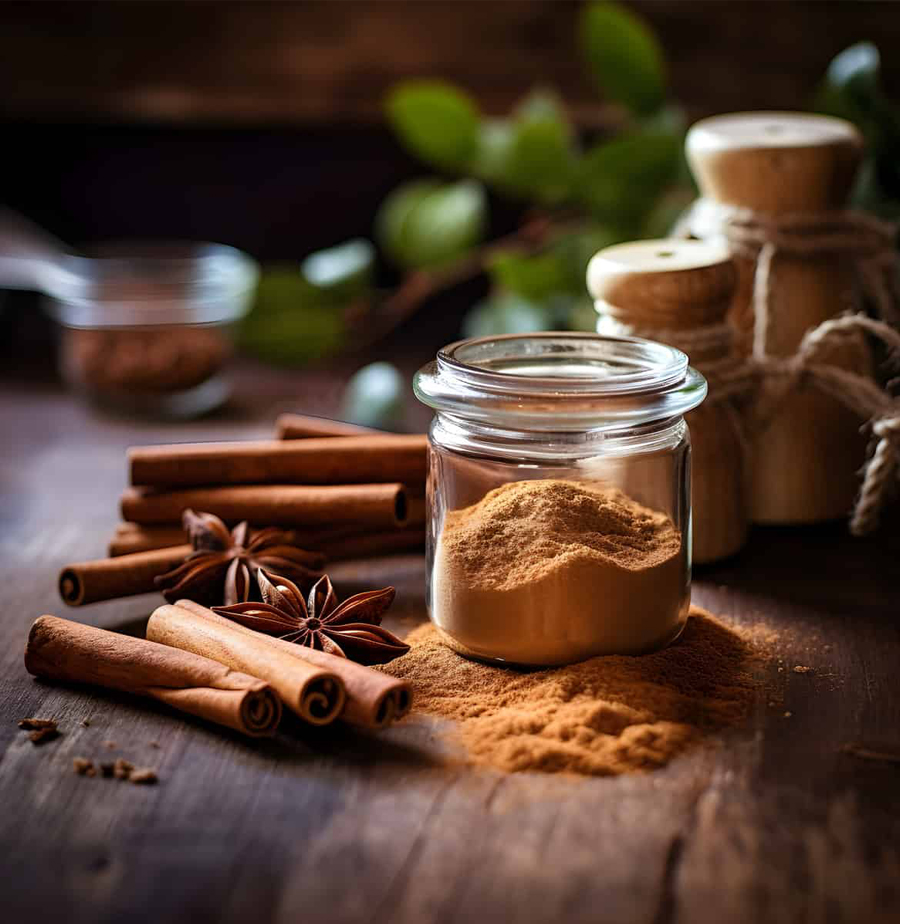
Cinnamon
Cinnamon, a popular and aromatic spice, has a long history dating back thousands of years and has been regarded as one of the world’s most valuable spices from ancient times to the present day. In the past, different civilizations used cinnamon not only to flavor foods but also as a traditional remedy with important therapeutic properties. Archaeologists have found evidence of cinnamon use in ancient Egyptian, Chinese, and Roman cultures, where it was considered a highly valuable commodity and was sometimes compared to gold.
Benefits of Cinnamon
- Helps Control Blood Sugar: Cinnamon may help improve insulin sensitivity and reduce blood sugar levels, making it potentially beneficial for people with type 2 diabetes.
- Powerful Antioxidant Properties: Cinnamon is rich in antioxidants that help protect the body against free radicals and may reduce the risk of chronic diseases.
- Anti-Inflammatory Properties: This spice may help reduce inflammation and pain associated with various conditions, including arthritis.
- Supports Brain Function: Some studies suggest that cinnamon may help improve cognitive function and memory.
- Supports Digestion: Cinnamon may help reduce digestive discomfort and bloating while supporting the digestive process.
How to Use Cinnamon
Cinnamon can easily be added to your daily diet. You can add cinnamon powder to smoothies, breakfast cereals, desserts, and even coffee. Cinnamon sticks can also be used to prepare tea and stews, adding a distinctive and pleasant flavor to various foods and beverages.
Important Considerations
Consume in Moderation: Although cinnamon offers many potential benefits, excessive consumption may be harmful, particularly in the case of cassia cinnamon, which contains coumarin. Ceylon cinnamon is generally considered a safer option because it contains lower levels of coumarin.
Combine It with Other Spices: To enjoy a wider range of flavors, cinnamon can be combined with spices such as cardamom, turmeric, and ginger.